

Many people assume that because a young child’s focus and attention span are limited, mindfulness or meditation would be too difficult for them to grasp.
However, research has increasingly suggested that young children can benefit greatly from age-appropriate strategies.
These strategies will foster and develop emotional awareness and regulation, self-control, and a sense of calm, which can have a profound impact on a child’s overall wellbeing.
Strong evidence shows that the early years are when a child’s social, emotional, and physical development is most vulnerable.
During this period, children experience rapid brain growth, which is fundamental for future health, learning, and behaviour.
Establishing positive habits in early childhood – before children are likely to suffer from fatigue, being time-poor, school pressures, or social media influences – can have more achievable results.
Young children are more open-minded, enthusiastic, and willing to take on new experiences. Their natural curiosity and imagination will give them a greater chance of integrating mindfulness strategies into their everyday lives and of forming life-long mindful habits.
Through embedding simple mindfulness practices into everyday life, children are more able to control their own emotions and feelings, which will have a lasting impact on their overall wellbeing.
The activities will be most effective if they are kept short and simple. Practices such as deep belly breathing, drawing circles softly in the palm of their hands, gently ‘blowing out the candle’ on each finger, or taking part in a sensory experience, are all extremely effective tools to help reduce a child’s anxiety and stress levels.
Starting mindfulness and meditation at a young age is not about expecting children to sit in silence for long periods of time. It’s about providing short, simple yet engaging exercises that nurture and cultivate awareness, emotional regulation and resilience, appreciation, and connectedness.
Investing in our children’s emotional development at an early age is a highly proactive and preventative approach that can significantly reduce the need for more serious interventions later on in life, particularly during the teenage years.
By equipping children from a young age with the tools to thrive with confidence, resilience and compassion, we are giving them the best possible start in life.
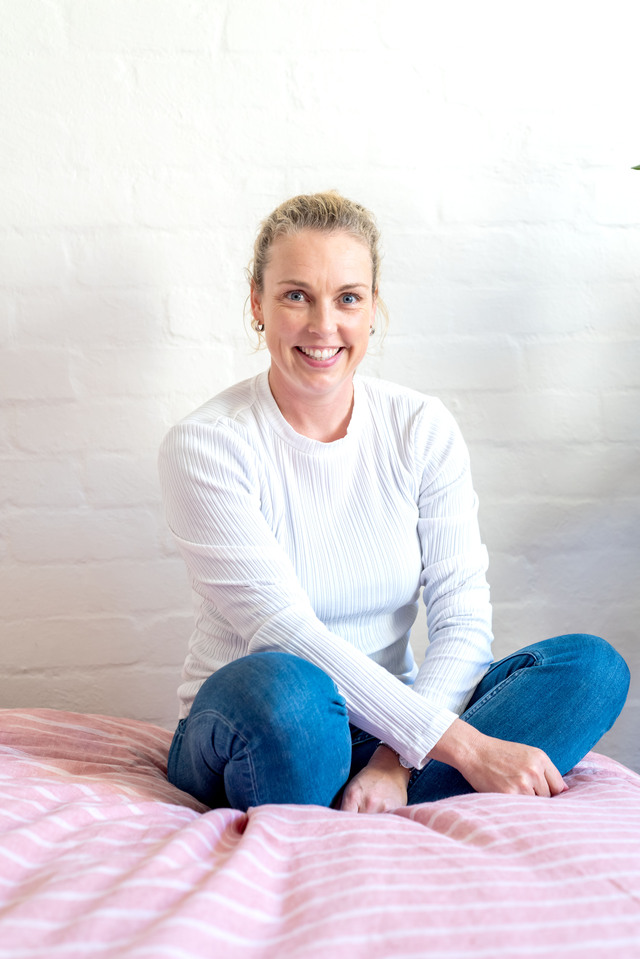
Fiona is an experienced primary school teacher with a passion for student wellbeing.
She runs mindfulness programs to equip primary school-aged children with strategies to help them lead healthier and happier lives.
Find more from Fiona at mindfulness4kids.com.au or search Mindfulness 4 Kids on Instagram or Facebook.