

By Casey Neill
Scams, hidden costs, and confusing finance options can make buying a first car a risky milestone.
Financial Basics Foundation aims to change that with its free MoneyIQ video series.
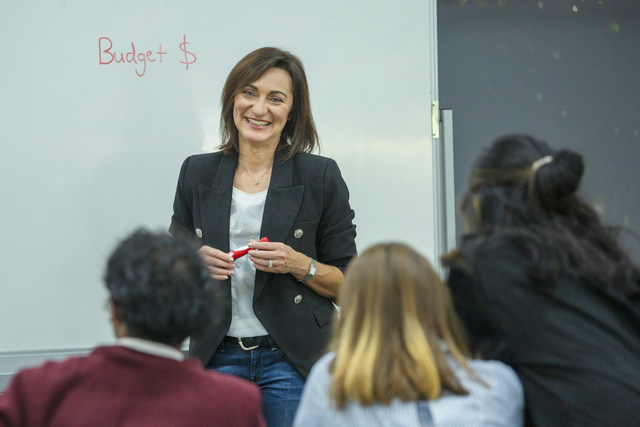
The not-for-profit organisation’s CEO, Katrina Samios, said buying a car was the first big financial decision many young people made.
She said online sales, scams, and a plethora of credit options made buying a car a very different experience for today’s teens than previous generations.
“Once upon a time, it was fairly simple: What car do I want? What can I afford? Go into a dealership,” she said.
Today, only 14 percent of first-time car buyers buy through dealerships.
“In this online marketplace, we have to be aware of things that young people need to look out for that many of us – as parents of teens – didn’t have to,” she said.
“We did rock up to the dealership, things were on paper.
“We highly encourage parents to do the courses or have a look at the fact sheets to get the information that they need.
“We recognise that parents should be the primary guide, mentor, and educator of their young people.
“Part of the issue is still that idea that money isn’t spoken about, so these conversations aren’t happening as frequently, as early, and as often as they should be happening in the family.
“All the research shows that those conversations started early and at home increase the financial literacy of young people.
“Involve your teens in financial decisions and opportunities to learn.”
Katrina said schools also needed to do more to improve financial literacy. FBF is advocating for a standalone subject covering the basics.
“Financial literacy is embedded in the Australian curriculum. It’s not standalone, it’s not compulsory,” she said.
“It’s inconsistent. If the teacher is not confident or equipped to delve into personal finance, they don’t have to.
“Kids are leaving school without having the basics of managing their finances.”
She said this fundamental knowledge was particularly important given the marketing and algorithms targeting young people today.
“Everything is designed to make them spend,” she said.
“And there’s no friction, there’s no barrier to spending anymore.
“Once upon a time, if you didn’t have the $20 in your wallet, you couldn’t spend it.
“Now, young people are engaging as consumers with digital transactions without understanding even the basics, like the different types of bank accounts.
“It’s easy to spend money.”
And easy to rack up debt thanks to ‘predatory’ buy now, pay later products.
“It is outrageous,” Katrina said.
“It’s cashless, it’s invisible.
“You think it’s free until you can’t make a repayment, until you get hit with the fees.
“You are going into debt.”
Katrina said financial literacy not only helped young people to avoid pitfalls, but be proactive about their money.
“What budgeting does is it gives you the freedom to do exactly what you want to do because you’ve planned it out,” she said.
“It’s not a restriction.
“You’re saving to thrive rather than saving to survive.”
Learn more about FBF’s resources and programs at financialbasics.org.au.