




By Casey Neill
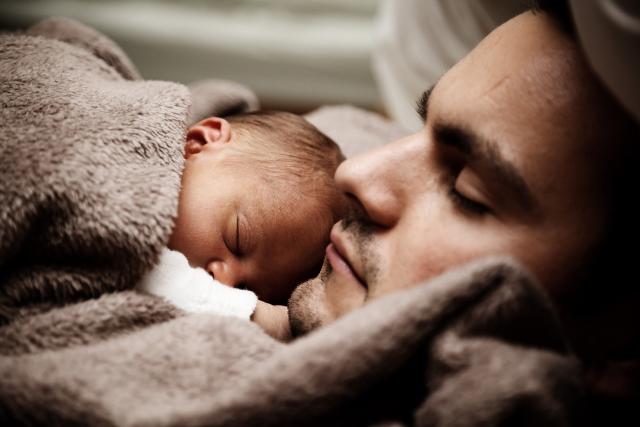
Following the right ‘mental diet’ can help to protect new dads from anxiety and depression.
Craig Russouw, lead psychologist at Someone.health, says fatherhood can trigger mental health issues, with about one in 10 expecting or new fathers reporting anxiety and/or depression in the perinatal period.
“Fatherhood is a good time but can also be incredibly stressful,” Craig said.
“It’s a big adjustment, being a parent. It requires new coping skills.
“It can also be financially stressful. Often, dads will bear the brunt of that.
“There’s societal pressure to be stoic, strong, and keep everything together.
“From a young age, boys have been told to suck it up. They’re less likely to seek support.”
Craig said partners didn’t have as much time for each other after welcoming a baby.
“That sometimes leads to tensions and conflicts,” he said.
“Their partner’s mental health can also be a contributing factor. They might be that primary support person and they might struggle with that.”
Fathers experience hormonal changes after their partner’s pregnancy, particularly a decline in testosterone, and the lack of sleep hits hard.
“I think most parents underestimate that,” Craig said.
“They don’t know how much sleep they’re not getting.”
Mental health struggles in new dads could present as irritability, anger, low mood, loss of interest or enjoyment in activities, fatigue and poor concentration.
“They might not have classic symptoms like crying or sadness,” Craig said.
There could be an increase in risk-taking behaviour, such as alcohol or prescription drug use, withdrawal from social situations, taking sick days or working longer hours.
Craig said partners might notice changes in parenting engagement, emotional availability or warmth, sleep or appetite – even headaches or stomach issues
“Your body and your mind are very well connected,” Craig said.
“A good diet contributes to mental wellbeing. Movement is important for mental wellbeing.
“Something that we’ve really been trying to promote is treating your mental health from a maintenance mindset, in the same way that you might treat your physical health, like through diet or exercise.”
Someone.health launched the free Mental Maintenance Manual: A Practical Guide to Men’s Mental Health.
“Something that I’m a really big advocate for is your mental diet,” Craig said.
“That’s literally what you’re consuming through an iPad, a phone, social media, the types of TV shows and movies that you watch.”
Just like the body, the mind can’t survive and thrive on ‘fast food’ alone.
Craig said good social engagement was one aspect to good mental health.
“We’re more connected now than we ever have been in human history, but I think we’re more lonely than we’ve ever been,” he said.
“Very often we’re living through these virtual worlds.”
He said the body’s dopamine reward system was bombarded when using social media.
“Afterwards, they’re feeling low, they’re feeling irritable, they’re feeling anxious,” he said.
“Often, the only way to lift that mood again is to get back online.”
Social media can also facilitate unhealthy comparisons to others’ highlight reels.
“You can consume things that are really good for you,” Craig said.
“You have to make an active attempt to curate what you see on there.”
He said men’s mental health was a growing concern in Australia.
Craig urged new dads to lean on their partner for support, and provide that support in return.
“No one’s going to understand your unique experience of parenthood better than the two of you,” he said.
“But what we’ve really been trying to get at in terms of communication lately is for blokes to get out there and get some support.”