

Outdated gender stereotypes about pain are being reinforced in children’s picture books – but parents and educators can change the narrative.
UniSA researchers analysed hundreds of popular children’s picture books and found that pain and injury were depicted in about one in five stories.
The ways in which these bumps, grazes, and falls were represented varied significantly between boy and girl characters.
Not only were boys more likely to experience pain (53 percent) than girls (29 percent), but girls were more likely to cry (78 percent) when faced with pain than boys (22 percent).
Additionally, when characters were shown helping others, boys tended to offer advice or problem-solve, while girls were more likely to provide comfort and support.
Lead researcher Dr Sarah Wallwork said that picture books presented powerful opportunities for children to learn about the world, but could be limiting when they perpetuated unhelpful messaging about pain, including gendered stereotypes.
“When picture books show boys brushing off injuries or girls tending to others, we risk reinforcing narrow social scripts about empathy, resilience, and care,” Dr Wallwork said.
“Children internalise what they see.
“When boys are presented as stoic, it may encourage them to conceal their pain – a behaviour that has been linked to an increased vulnerability to pain later in life.
“Similarly, when girls are consistently portrayed as carers, it reinforces expectations that empathy and nurturing are ‘female’ traits.”
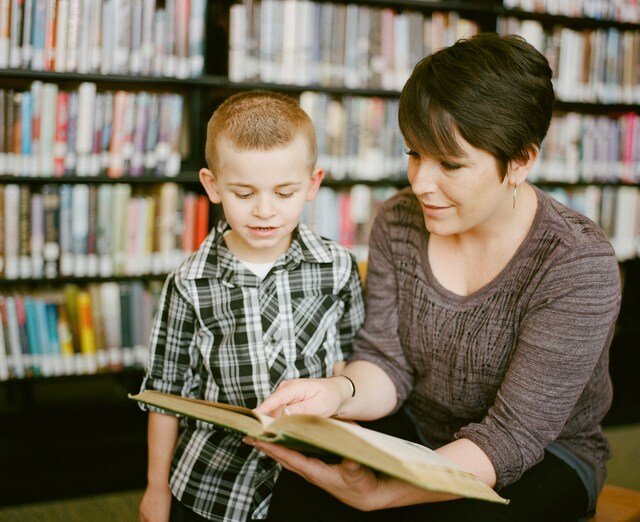
Co-researcher and UniSA PhD researcher, Dur-E-Nayab Mehar, said parents and educators could use shared reading to challenge these messages.
“We can start meaningful conversations with children about empathy, care, and how to respond to others when they are injured or in pain,” Mehar said.
“Asking questions like ‘How do you think that character feels?’ or ‘What else could they do to help?’ can open up valuable discussions about both physical and emotional support.
“We need children to learn that it’s okay to feel pain, to express their emotions in healthy ways, to care and respond to others thoughtfully, kindly, and in practical ways, regardless of gender.
“Perhaps then, the stories we share with children will help nurture compassion and empathy – where pain is acknowledged, support is given, and children grow in their ability to offer this support to others.”
The study also found that prosocial behaviour, such as helping or comforting others when they were hurt, was rare, and that when help did occur, it was more often physical assistance than emotional support.