

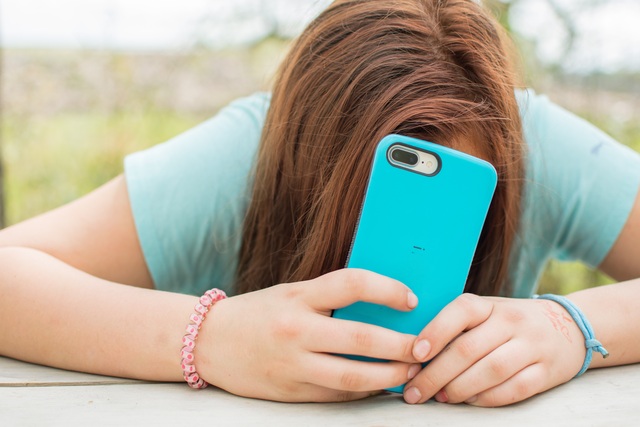
Understanding why social platforms matter to kids is the first step for parents who want to offer support during the social media ban transition.
Children are worried about losing touch with their friends in the wake of Australia’s social media ban for under-16s.
While the onus is on social media platforms to act, University of South Australia researchers said the real battle would be at home, where parents must enforce the rules, manage their children’s reactions, and help them adjust.
Child safety and wellbeing expert, UniSA Associate Professor Lesley-Anne Ey, said the key to a smoother transition was education, reassurance, and open, age-appropriate conversations.
The first step, she said, was understanding why social platforms mattered to kids.
“They’ve grown up with this technology – it’s part of who they are – and they’re used to communicating through videos, emojis, photos and filters,” she said.
“The fear of losing touch with friends is real, so parents will need to invite questions and show understanding and empathy about what their kids will see as a loss.”
Assoc Prof Ey suggested brainstorming alternative ways to stay connected.
“If they liked TikTok dances, an app like Just Dance could suit; if they want to chat, use closed group chats or messaging apps; and if they enjoy gaming, find multiplayer games where they can connect safely,” she said.
“Supporting kids through this is about empathy – and keeping the lines of communication open.”
From 10 December, major social media platforms including TikTok, Snapchat, Instagram, Facebook, YouTube, and Reddit must take ‘reasonable steps’ to stop under-16s from creating accounts.
“The social media ban isn’t ‘safetyism’, or evidence of a ‘Nanny State’; it’s an essential move to protect kids from online predators and risks,” Assoc Prof Ey said.
“Young brains are especially vulnerable to social media because they crave peer feedback and attention.
“This makes them more likely to take risks or react quickly without thinking about the consequences.
“Parents are the first line of defence to protect children online.
“While the social media restrictions will certainly help, children will still be playing online games, joining chat groups, sharing photos, and sending videos and texts.
“It’s vital that they’re equipped with age-appropriate tools to navigate these spaces safely.
“We must ensure that children and young people know they have a safe, trusted person to turn to if they feel worried about something they’ve seen or heard online.
“Because in the end, it’s not just about keeping children off social media – it’s about giving them the knowledge, confidence and skills to thrive safely in a digital world that will only keep growing.”
Assoc Prof Ey said parents should talk with their children about why it’s important to protect personal information like their full name, address, and passwords; who it’s okay to connect with; and how to behave kindly and respectfully.
“They should also teach kids to think before they post anything – photos, comments, or information – because once something’s online, you can’t take it back,” she said.
“Encourage kids to ask ‘Would I say this to someone’s face?’ or ‘Would I show this to my mum?’ before posting or commenting.
“If the answer is ‘no’, then it’s probably not appropriate.”
As children tend to imitate adult behaviour, parents can also be powerful role models.
“Avoid excess screen time yourself and set up screen-free times for the whole family, like dinner and bedtime,” Ass Prof Ey said.
“This makes boundaries predictable and shows your kids what a healthy balance looks like.
“Connect with your kids. Show them how you can have fun together – whether it’s board games, movie nights, or taking advantage of daylight savings for a bike ride after dinner.
“The convenience of screens and social media has caused havoc.
“Perhaps we all need to wind the clock back and remember what life was like before screens.
“It’s time we took control – for our sake, and for the safety and wellbeing of our kids.”